
What To See at Mezquita Cordoba
The Mezquita-Catedral is one of Spain’s most iconic monuments. Explore the must-see highlights, from the stunning Prayer Hall to the Patio de los Naranjos and everything in between.
Top Highlights at Mezquita Cordoba
The two iconic stops every visitor wants to see first.
Prayer Hall
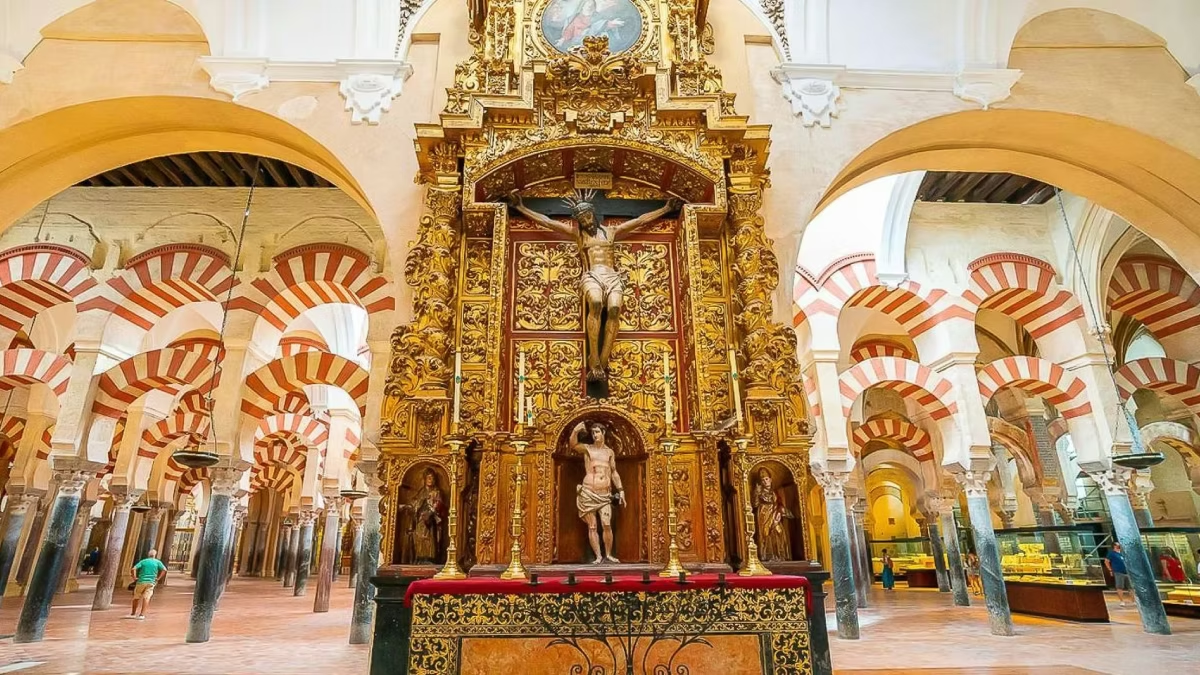
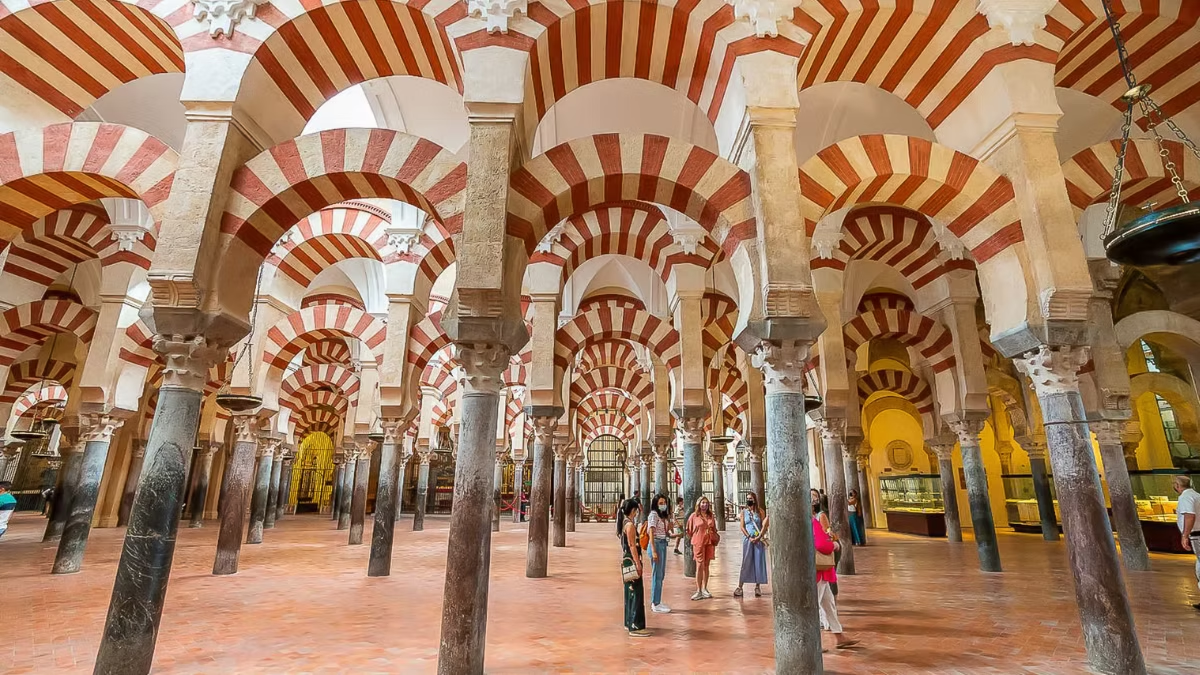
The Mezquita’s signature space — a forest of 850+ double-tiered red-and-white horseshoe arches stretching across the hypostyle prayer hall. The single most photographed view inside the monument and the reason most visitors come.
Explore →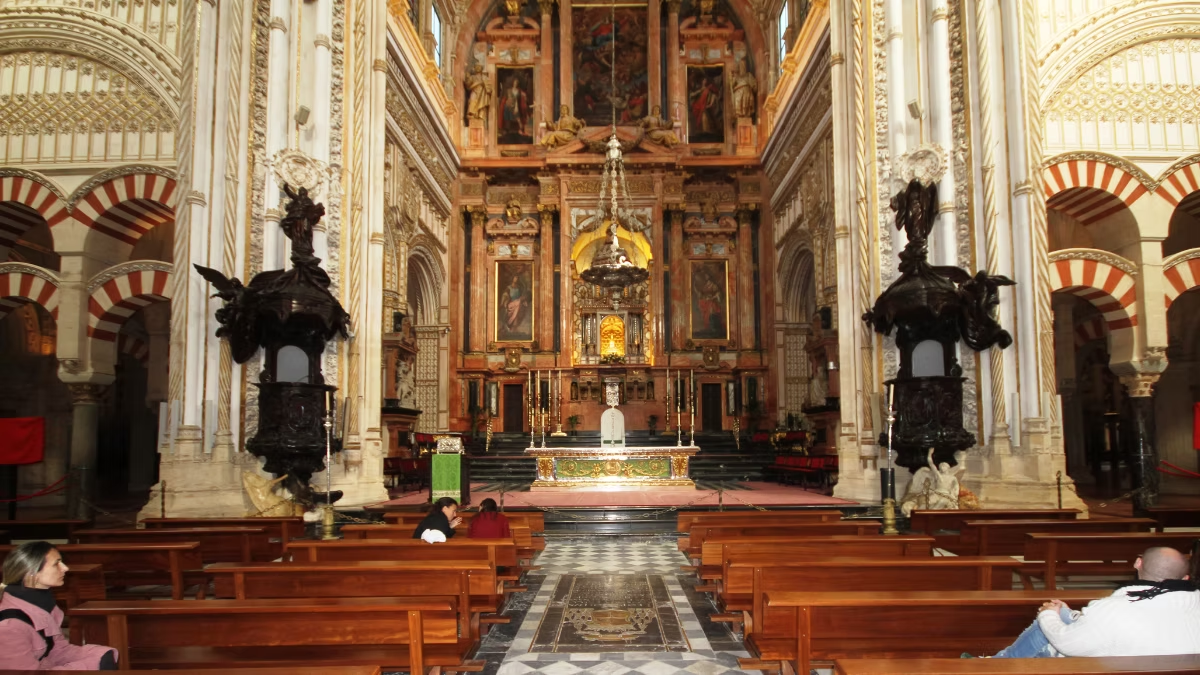
The Cathedral
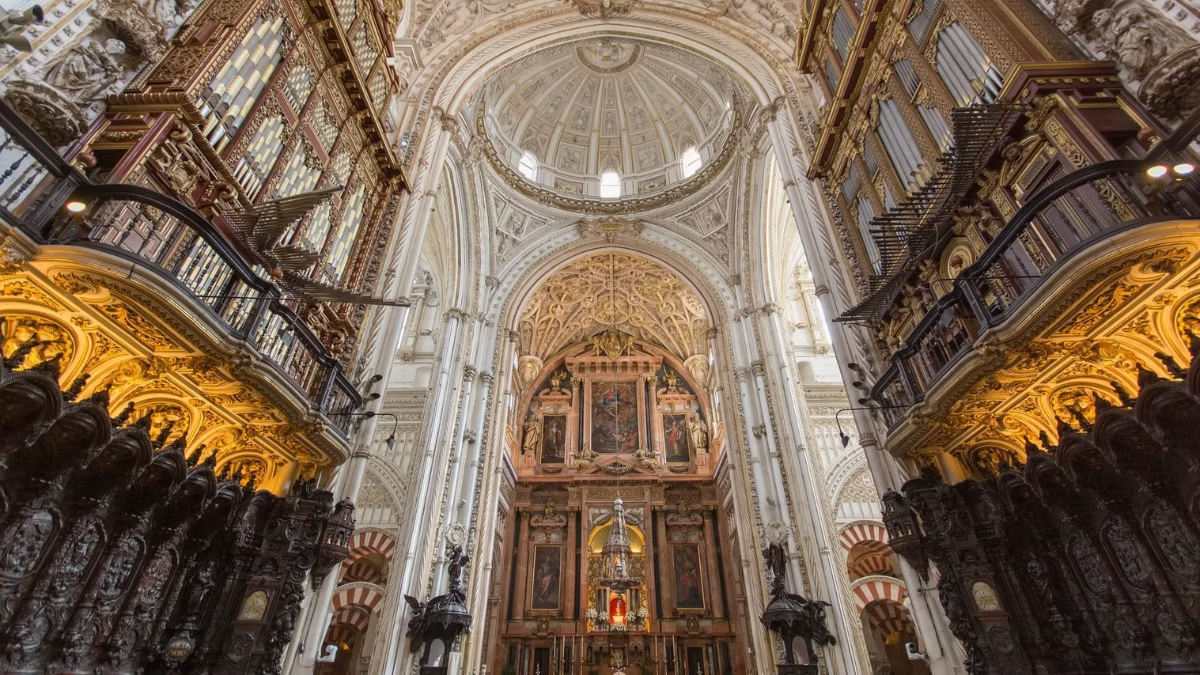
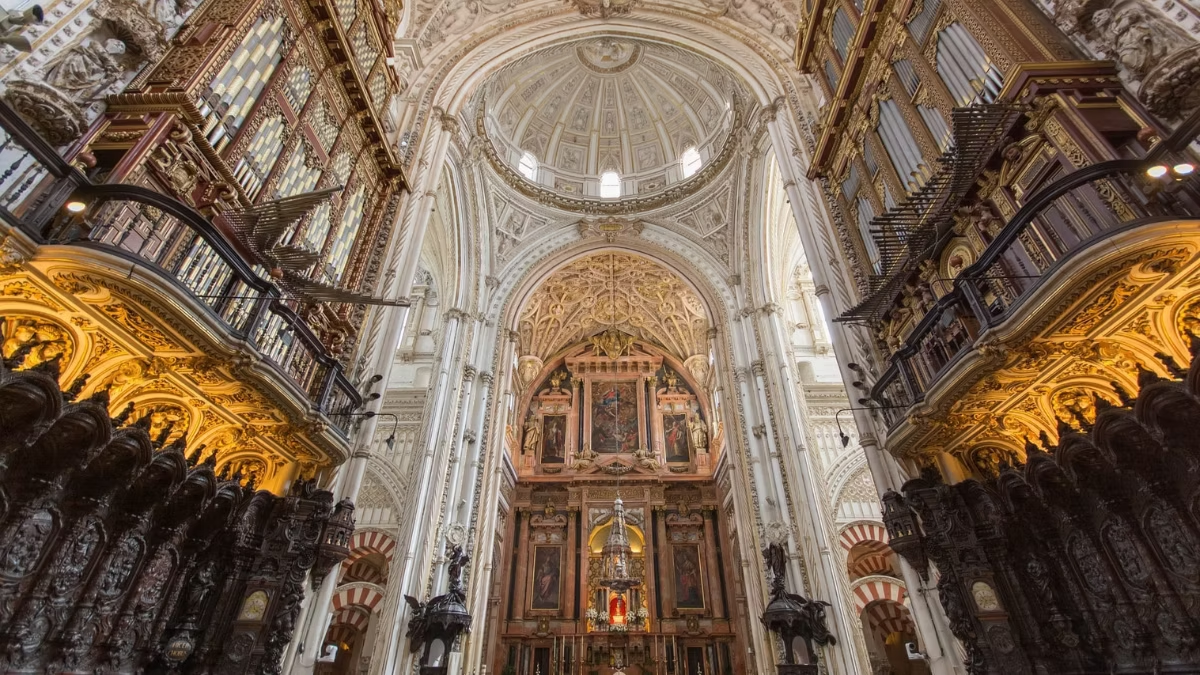
A full Renaissance cathedral rises unexpectedly among the Moorish arches — soaring vaulted ceilings and a Baroque altarpiece contrasting dramatically with the forest of columns around it. The 16th-century insertion is one of the Mezquita’s most striking contradictions.
Explore →Inside the Mezquita Cordoba
The orange-tree courtyard and the bell-tower minaret you walk through before reaching the prayer hall.
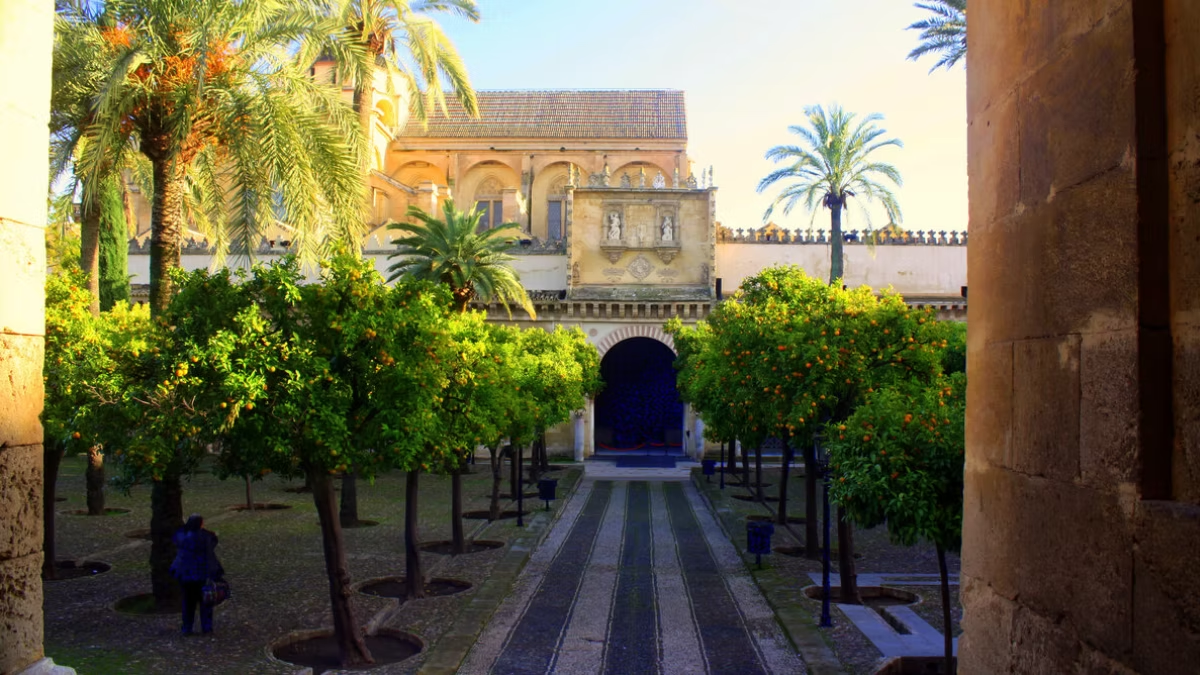
Patio de los Naranjos Córdoba
The historic Islamic ablutions court — orange trees, fountains, and views up to the Bell Tower. Entry is free as part of Mezquita-Córdoba admission.
Read guide →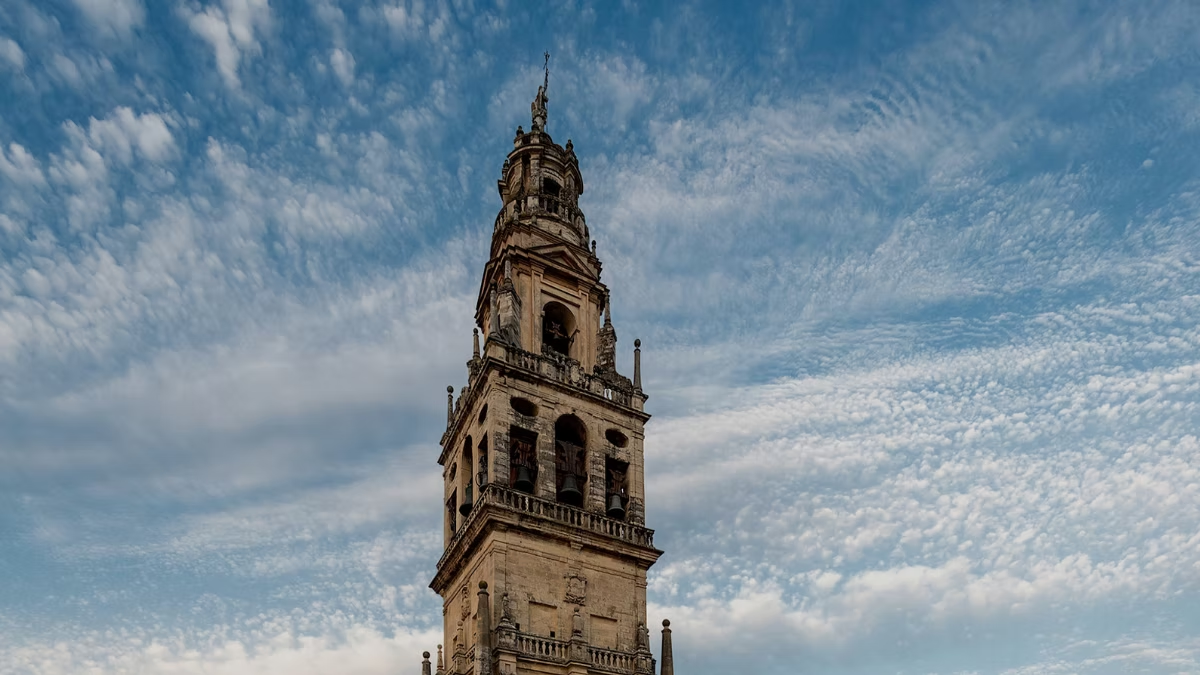
Bell Tower
The Torre Campanario — originally the 10th-century minaret of Abd ar-Rahman III, encased in 16th-century Christian masonry. Climb for the best rooftop view across the courtyard and Córdoba’s old town.
Read guide →History & Architecture
How the Mezquita was built, who shaped it, and the facts every visitor should know.
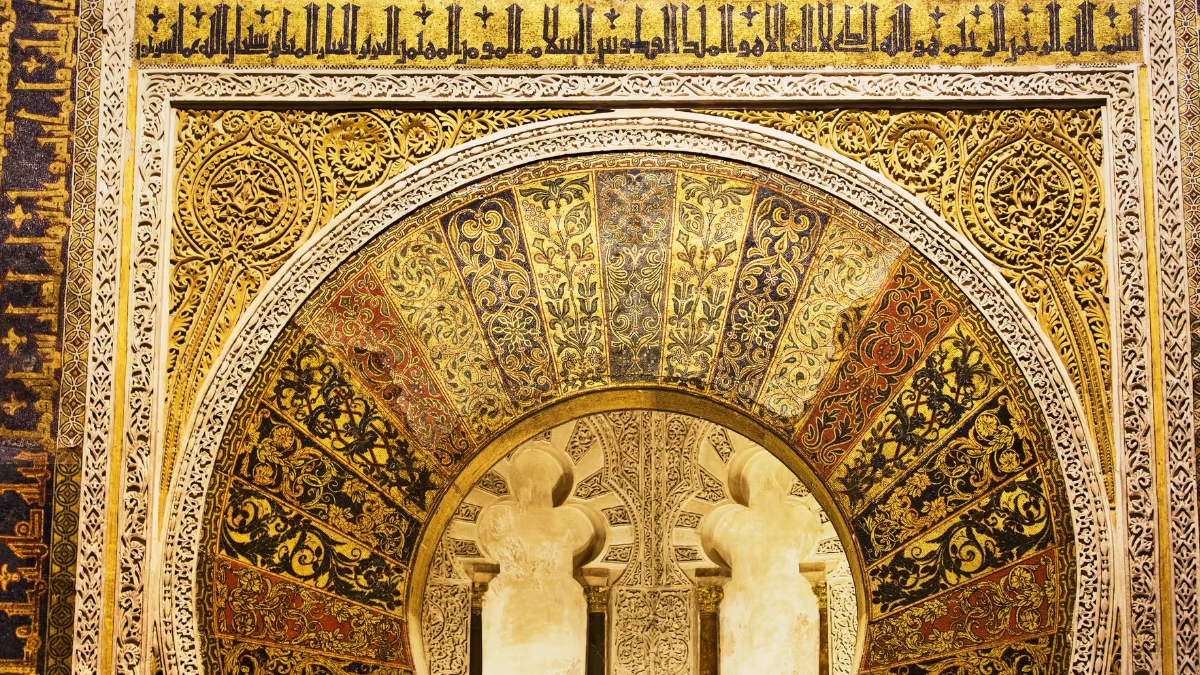
History
Over 1,000 years of history written into the columns — from Roman temple, to Visigothic basilica, to grand Umayyad mosque, to Renaissance cathedral.
Read guide →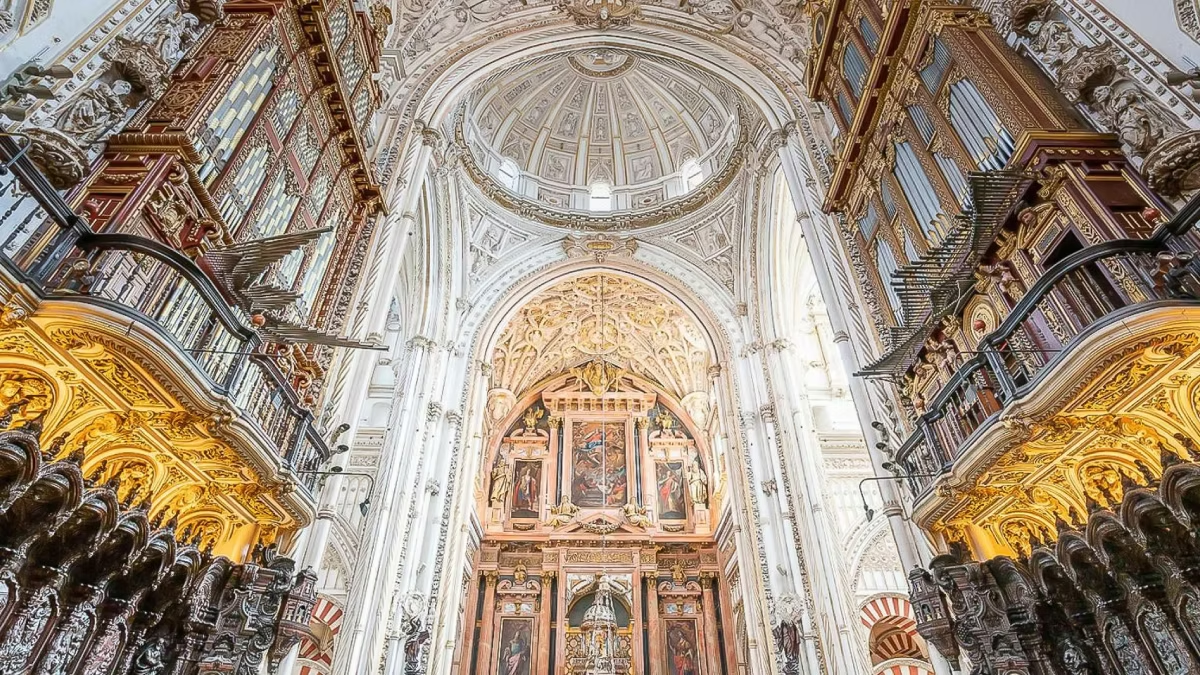
Architecture
The double-tiered horseshoe arches, the mihrab’s Byzantine mosaics, the cathedral nave’s Renaissance proportions — a full walkthrough of the architectural elements that define the Mezquita.
Read guide →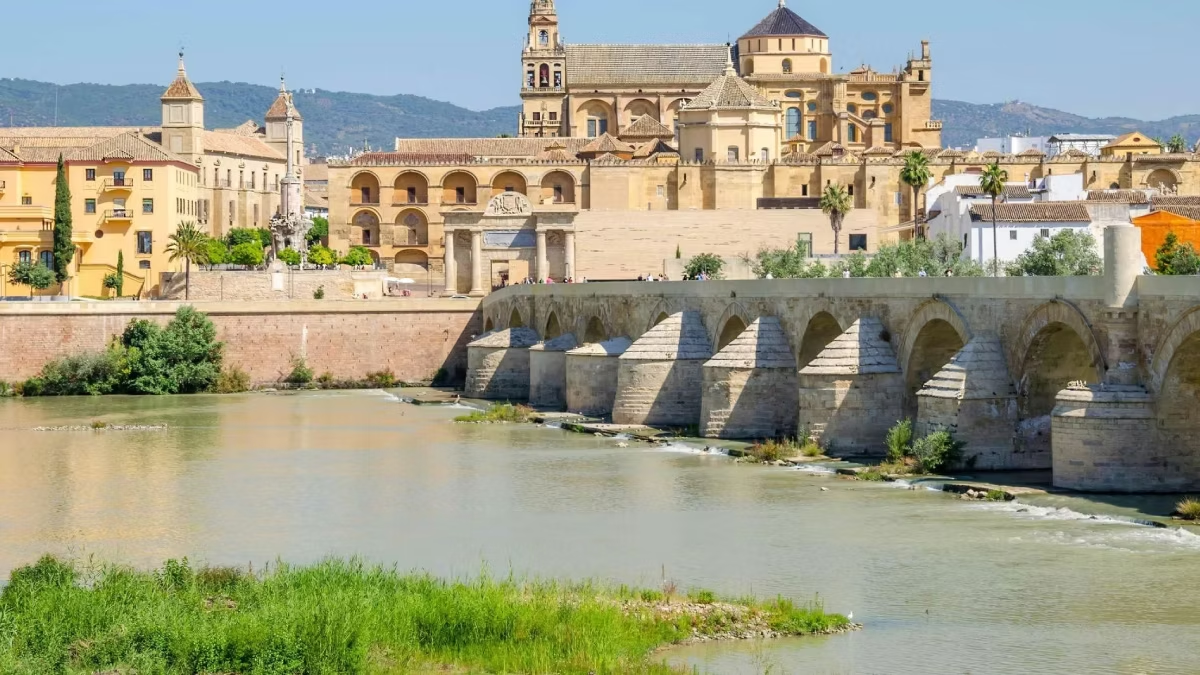
Facts
Dates, dimensions, column counts, and key numbers that put the Mezquita’s scale and significance into context.
Read guide →Comparisons
How the Mezquita-Córdoba compares to Spain’s other great Moorish monument.
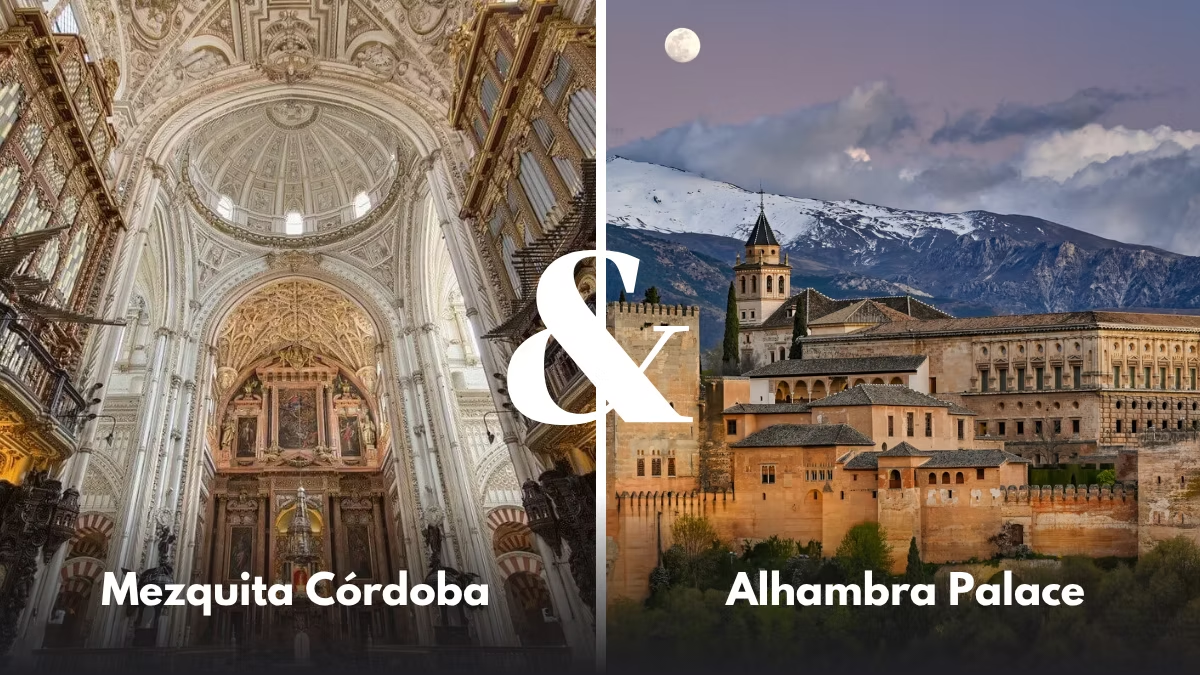
Mezquita-Córdoba vs Alhambra
Two Andalusian masterpieces compared: architecture, history, visit experience, and time required — plus tips for combining both sites.
Read guide →How to Choose What to See at Mezquita Cordoba
A quick guide based on your interests and visit style.
If You Only Have One Hour
Focus on the spaces that capture the Mezquita’s unique identity — Islamic and Christian architecture colliding under one roof.
- Walk the Prayer Hall — 856 columns of red-and-white arches stretching in every direction
- Step into the Cathedral at the centre and look up at the Renaissance vault punched through the Moorish ceiling
- Exit through the Patio de los Naranjos — the orange-tree courtyard is free and instant atmosphere
For Architecture Lovers
The Mezquita is the only building in the world where a full Gothic-Renaissance cathedral sits inside a 10th-century mosque — every surface rewards close looking.
- Study the double-tier horseshoe arches in the Prayer Hall — four separate expansion phases, each with distinct column styles
- Read the Architecture guide to decode Visigothic, Umayyad, Almohad, and Baroque layers in sequence
- Compare the Mezquita with its Andalusian rival in our Mezquita vs Alhambra breakdown
- Climb the Bell Tower — originally the minaret — for a birds-eye view of the roof geometry
First Time In Córdoba
You want the full story — why this building matters and what to look for before you walk in.
- Read the History first — mosque, cathedral conversion, near-demolition, and UNESCO rescue
- Browse the Facts page for numbers that stick: 23,000 m², 856 columns, eight centuries of worship
- Then follow the one-hour route above: Prayer Hall → Cathedral → Patio de los Naranjos
Visiting With Kids
The Mezquita works surprisingly well with children — it is vast, open, and full of things to count and climb.
- Turn the Prayer Hall into a game: count column colours, spot recycled Roman capitals, find the oldest arches
- Let them run (gently) in the Patio de los Naranjos — shaded, flat, with fountains to watch
- Climb the Bell Tower — 130 steps with panoramic views that keep energy focused
Continue Exploring Mezquita Cordoba
Book your tickets and plan the practical details of your visit.
Tickets & Tours
Compare all ticket types, guided tours, skip-the-line options, and combo deals.
Explore ticket options →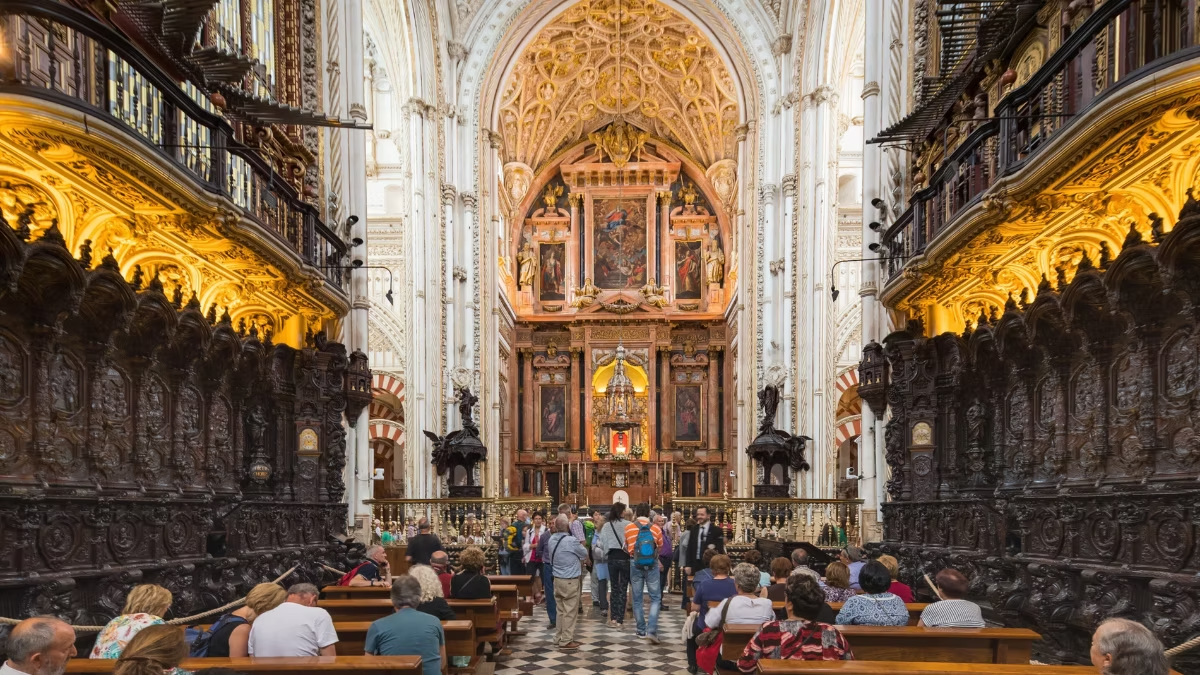
Plan Your Visit
Opening hours, getting there, dress code, and practical tips for your visit.
Explore planning guides →Frequently Asked Questions
Common questions about what to see and prioritise.